


 level 2
Driving Change with Intention, Creating Lasting Impact
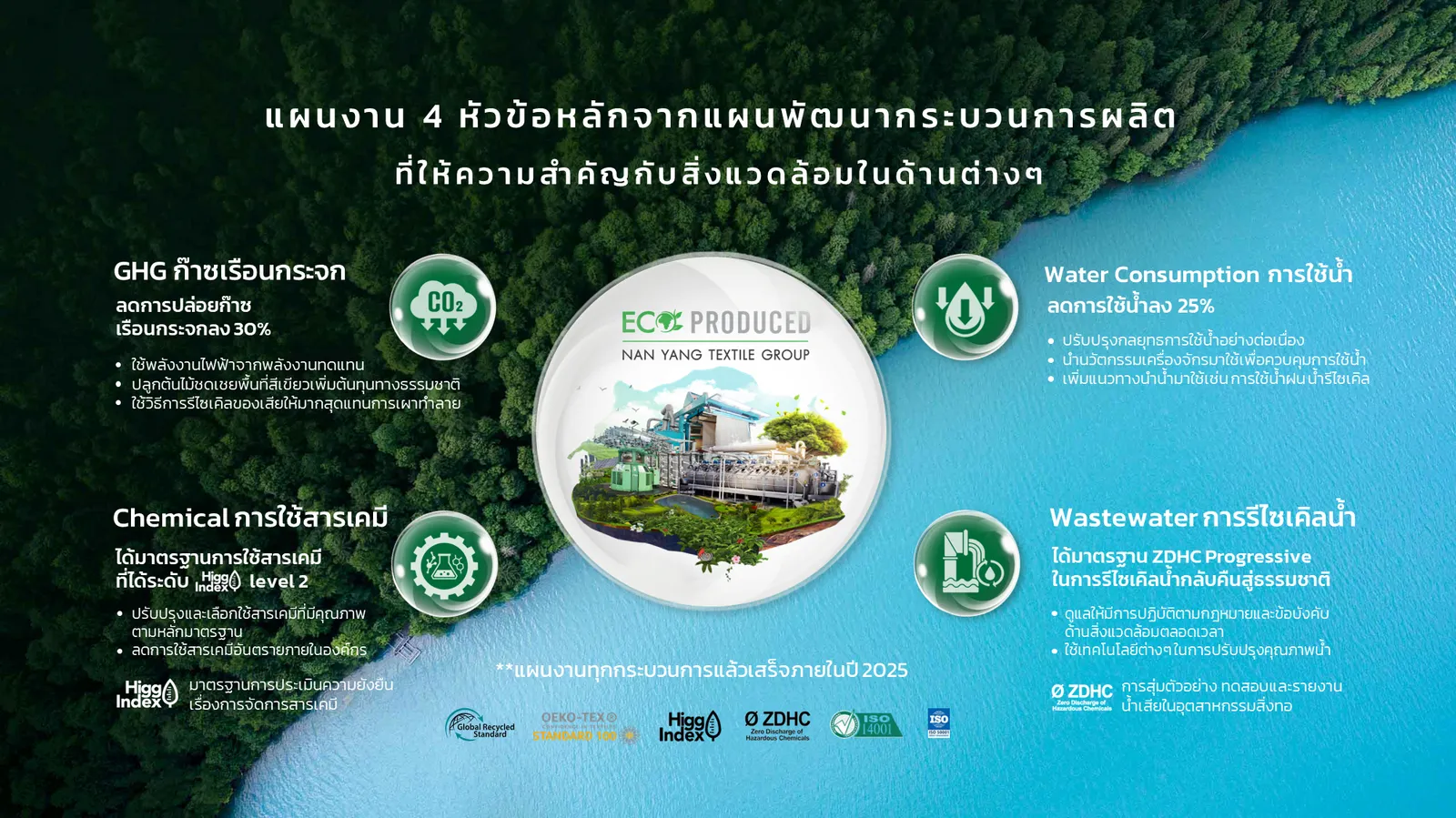
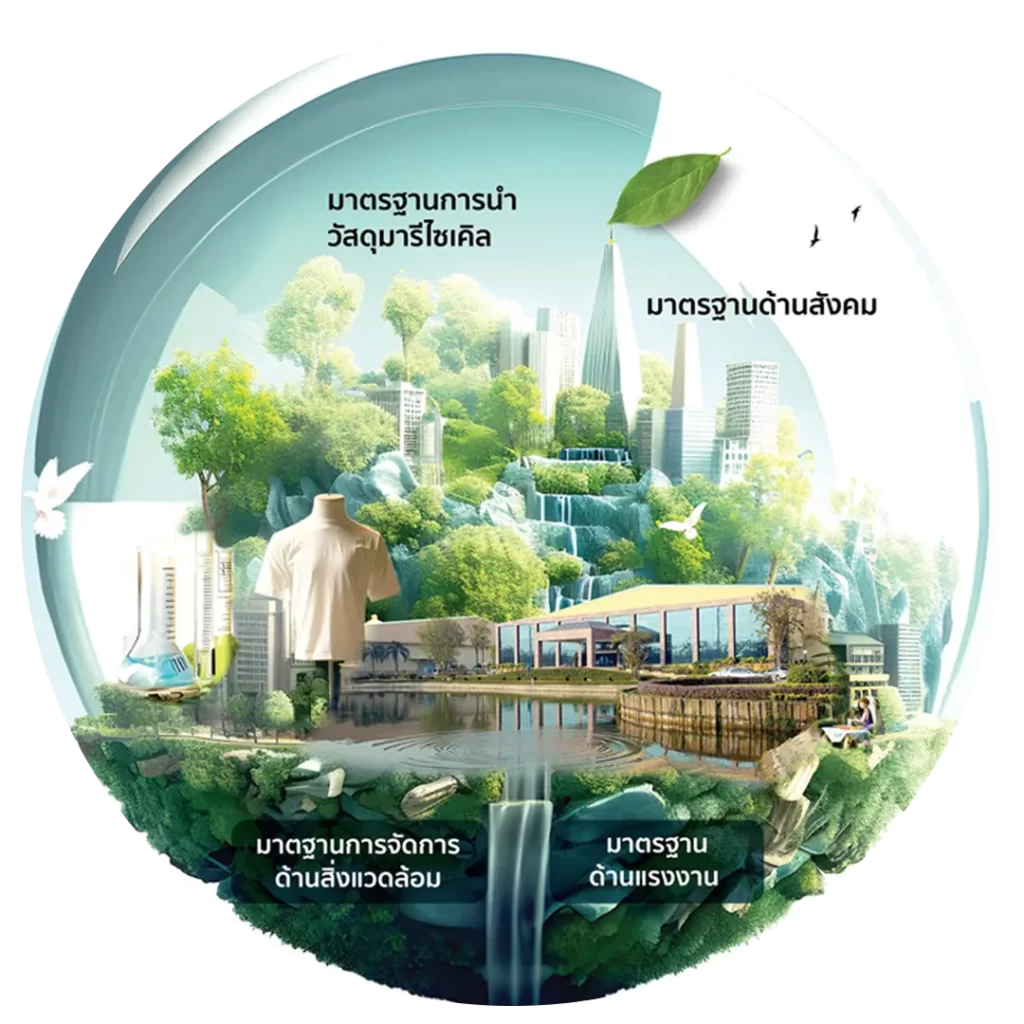
With a strong commitment to environmental responsibility, the Nanyang Textile Group is dedicated to reducing energy and water consumption, as well as greenhouse gas emissions. We adhere to international standards in chemical usage, ensuring safe and responsible practices.
Since 2020, we have implemented a comprehensive sustainability roadmap to minimize environmental impact across every stage of production—both directly and indirectly—while promoting efficient and mindful use of resources.
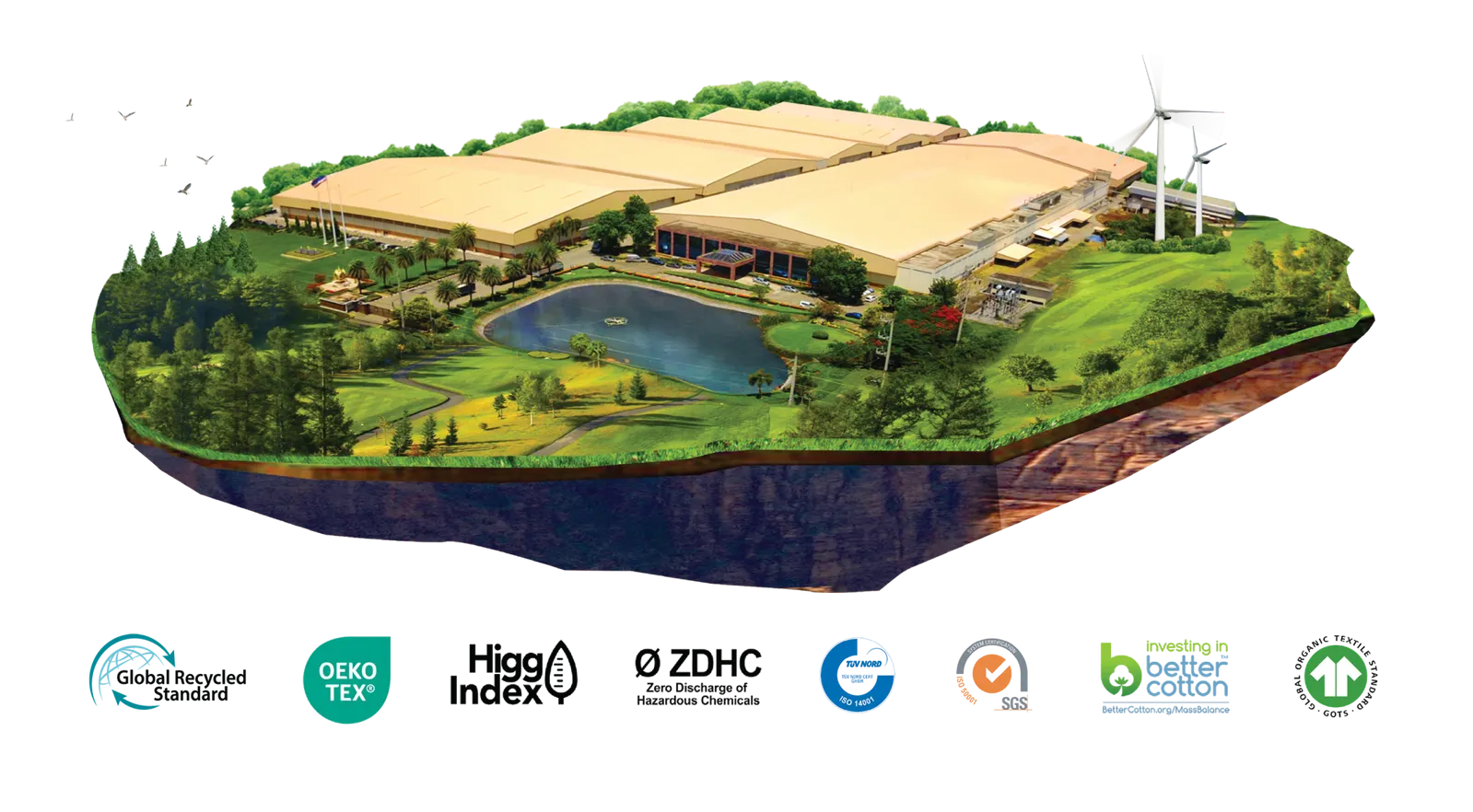
Redwoods International Co., Ltd., a proud member of the Nanyang Textile Group, has adopted this vision through our Eco Produce manufacturing process, which emphasizes not only product quality but also environmental responsibility. Every piece we create reflects ethical practices, transparency, and a sustainable future.
In parallel, we actively uphold policies in Human Resource Management (HRM), Safety Management, and Lean Operations to cultivate a strong organizational culture, elevate production efficiency, and ensure environmental friendliness in all dimensions.
Our sustainability framework—initiated in 2020—encompasses the reduction of environmental impact across all production processes and encourages continuous awareness and efficiency in resource utilization.
Energy
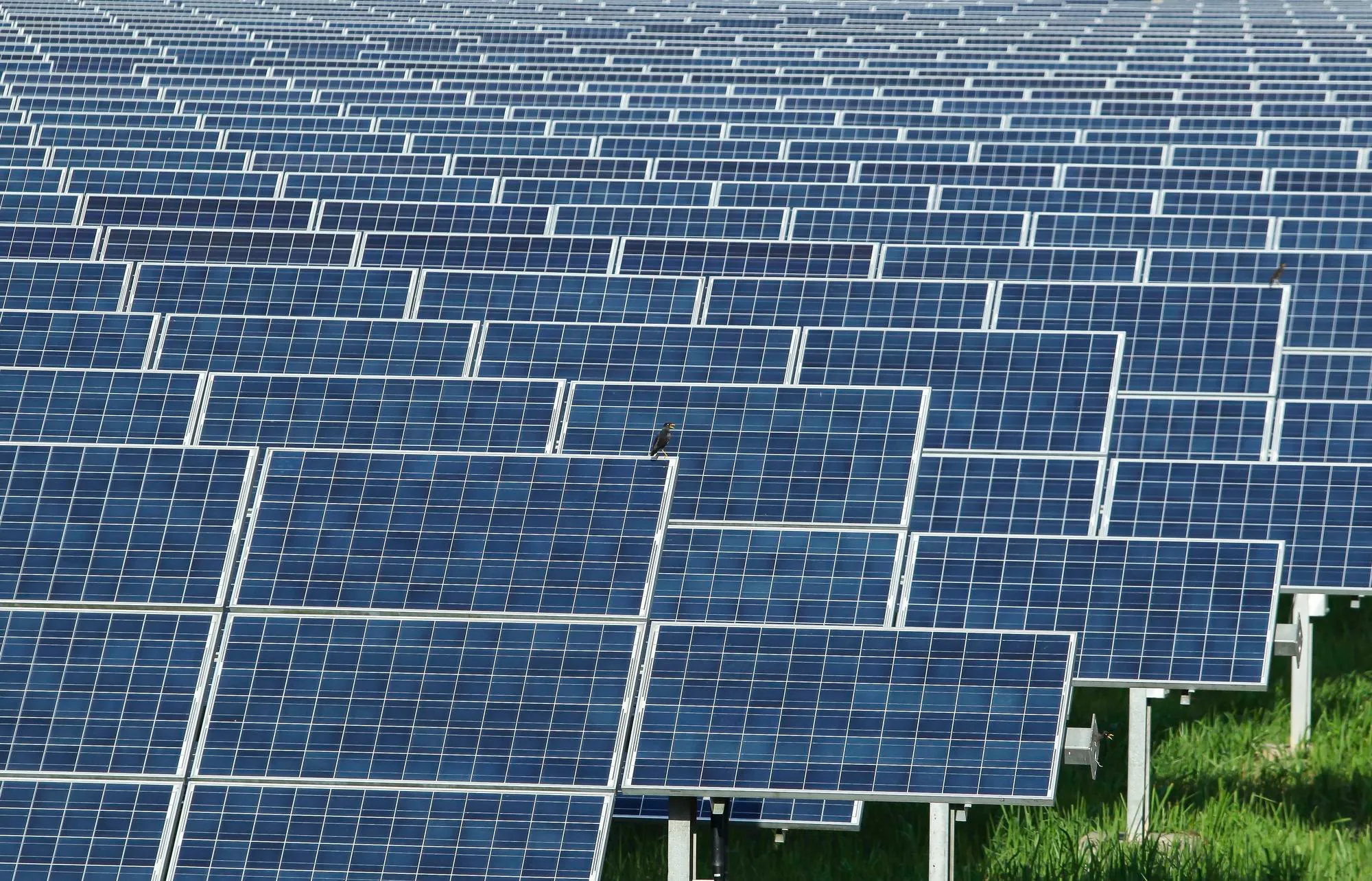
20% reduction in energy use through the integration of alternative sources such as solar power.

Greenhouse Gases
20% reduction in greenhouse gas emissions to support sustainable production.

Water
85% of treated water is reused in the dyeing process, reducing freshwater usage by 20%.
Waste
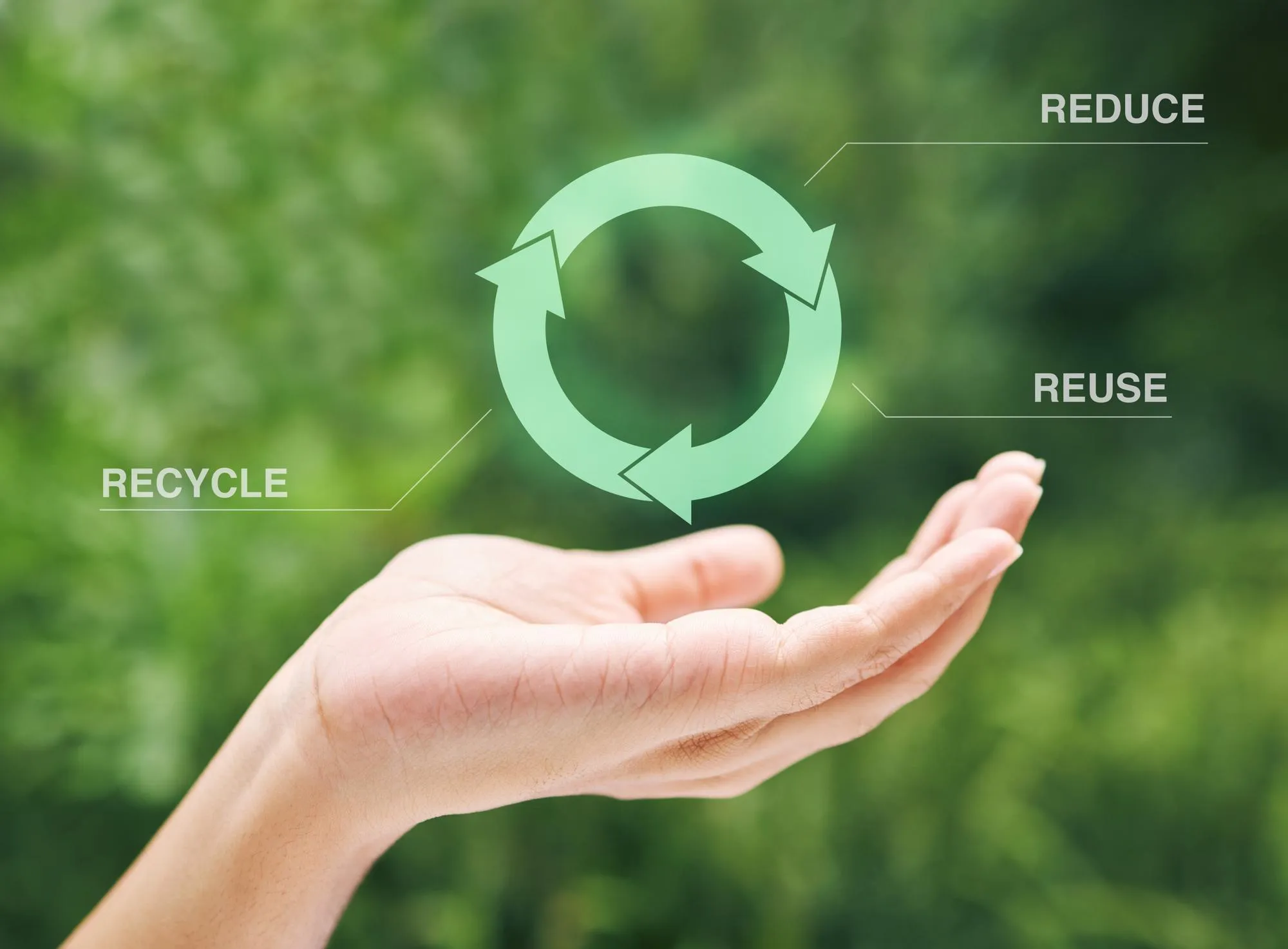
25% reduction in waste through Reduce, Reuse, Recycle principles and advanced production technologies.

Chemicals & Dyeing
Progressing toward ZDHC Compliance, with certifications from bluesign®, RSL, and MRSL already in place.